
Cuidados para enfrentar la caída del cabello luego del embarazo
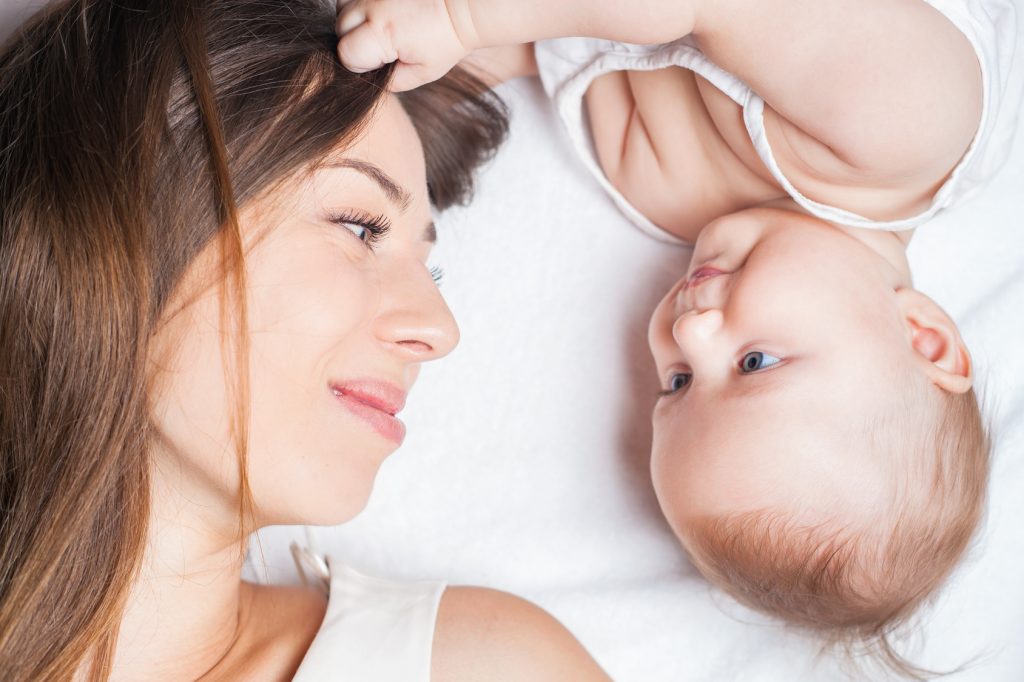
El embarazo es una etapa llena de cambios en la vida de una mujer. En este punto, los cambios en los niveles de estrógenos en el cuerpo pueden provocar, la caída del cabello y otros.
¿Por qué se se cae el cabello al dar a luz?
El período más común de pérdida de cabello ocurre aproximadamente tres meses después del parto. El aumento de las hormonas durante el embarazo impide perder el cabello.
Después del parto, las hormonas regresan a los niveles normales. Esto lo que permite es que el cabello se caiga y vuelva al ciclo normal. La pérdida normal del pelo que se retrasó durante el embarazo, puede terminar cayéndose todos a la vez.
Una persona pierde en promedio 20 cabellos diarios, sin embargo, una mujer en embarazo pierde mucho menos. Una vez la mujer da a luz, se presenta una caída en los niveles de la hormona, lo que hace que se vuelva a caer el cabello con normalidad o en algunos casos, en mayor cantidad.
¿Qué hacer para evitar la caída del cabello luego del embarazo?
Si bien la pérdida de cabello luego del parto no se puede evitar, si puede disminuirse. Acá te contamos cómo:
- Que tu cabello no esté demasiado apretado. Los cauchos que usamos para amarrar el pelo, pueden maltratarlo o jalarlo, causando la caída en un mayor volumen.
- Evita el uso de secador o plancha. Estos artefactos afectan la salud capilar, si bien no hacen que el cabello se caiga, si lo debilitan. Y lo hacen más propenso a la caída.
- Aumenta tu consumo de fuentes proteicas como las almendras. Estos frutos secos aportan vitaminas y brillo a tu pelo, de este modo, mientras se te cae un poco de cabello, el nuevo irá naciendo saludable y fuerte.
- Usa un cepillo de cerdas separadas. Otro método que puede disminuir el maltrato a tu cabello, es peinarlo con un peine de cerdas separadas. Una alternativa a este tipo de cepillos, es usar tus dedos.
- Ojo con el acondicionador. Úsalo, pero solo en las puntas. Evita aplicar este producto en el área de la raíz. Puede causar caspa, exceso de cebo y una mayor pérdida de cabello.
La caída del pelo luego del embarazo puede durar entre 2 meses y un año, si esta se extiende, puede deberse a otros factores. Si en tu caso ha pasado el periodo de tiempo mencionado y sigues experimentando caída del pelo o incluso zonas de la cabeza afectadas por la calvicie, contáctanos para hacer una valoración y ayudarte a resolver tu problema.
En Hair Doctors, somos expertos en tratamientos anti calvicie.

